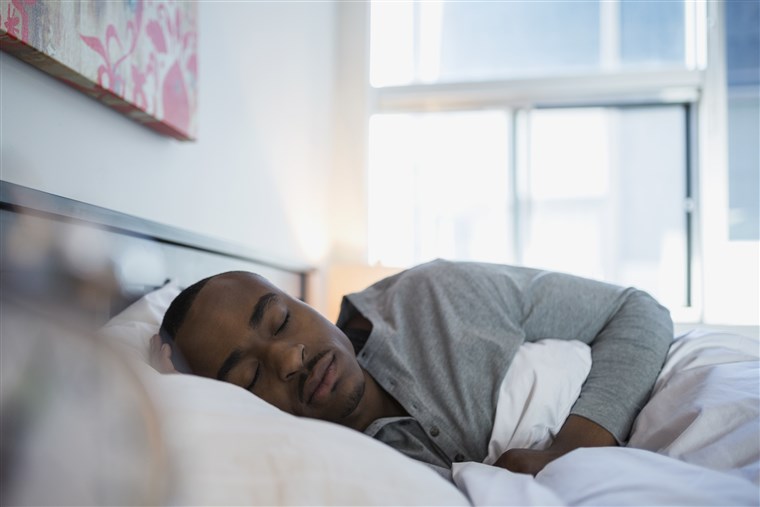
Chapter three was about stress and the ways we can deal with it in our daily lives. Since my health aspect is about gaining more hours of sleep, I was intrigued by the section that talked about stress and sleeping problems. Did you know that “ In a recent survey by the American College Health Association, only 11.8 percent of students reported getting enough sleep to feel rested in the morning six or more days in the week. Sixty-three percent of students say that they feel tired, dragged out, or sleepy during the day three to seven days each week (Donatelle, 2019, p.59).” Personally for me I do not find these numbers too appalling. Most college students have to balance school, studying, work, and having a social life. Achieving these elements will take away from an adequate number of your daily sleeping hours. The less sleep we earn, the more stressful we get. Sleeping plays a pivotal role in our stress management and mental health. In the text it talks about how stress can cause or contribute to our sleeping problems. Personally for me I agree with this particular statement. For example, the night before a big exam my stressed level is at a all time high. I tend to only focus on the exam not caring if I gain any sleep or not. To reduce my stress so I can focus on the material, I find myself listening to classical piano music. Ladies and gentleman I would have to say that this tactic really works. Not only am I less stressed out about my school work, I am able to transition to a peaceful night of sleep.
In the textbook, it gives us recommendations on ways we can improve our stress management and our sleeping patterns. I would like to share it with you guys because I found it very beneficial for me.
- Let there be light (I like room completely dark)
- Stay active (I try to go to the gym 3x a week)
- Create a sleep “cave” (I struggle with this due to technology)
- Condition yourself into a better sleep
- Avoid foods and drink that keeps you awake ( my eating habit is all over the place)
- Don’t drink large amount of liquid before bed
- Don’t toss and turn
- Don’t nap in the late afternoon or evening
- Don’t read, study, watch TV, use your laptop, talk on the phone, eat, or smoke in bed (beside the smoking, I do all of these activities in bed)
- Don’t take sleeping pills
Update: This week I have slept for more than 8 hours everyday. I go back to work next week and I know I won’t be getting the same amount of hours. I plan to cut some of my hours at work so that I can improve my sleeping. Also, I need to learn how to shut down all of my technology when it is time to sleep.
 Site Title